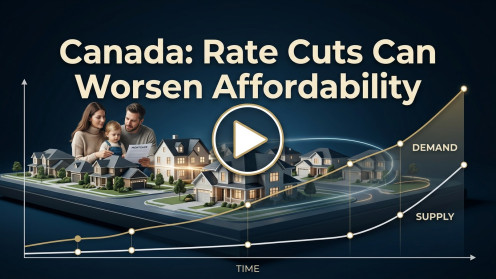
A frequent question I hear from clients eyeing Vancouver’s luxury market: will lower interest rates finally deliver meaningful affordability? Recent research from the Bank of Canada offers a nuanced answer. Historically, rate cuts do spark a rapid uptick in resale activity—demand often surges within months, reaching its full effect in 18 to 24 months. Yet, new housing supply reacts much more slowly, with starts typically following about two years later. I’ve seen this play out repeatedly in our premium neighborhoods: buyers move quickly when borrowing becomes cheaper, especially when strong job markets add confidence and banks ease credit. But for builders, the math shifts only after higher prices and lower financing improve project feasibility, and even then, the realities of planning and permitting—particularly for multi-unit residences—introduce significant delays. The takeaway? While rate cuts eventually nudge supply, the lag means affordability pressures persist. Monetary policy alone can’t fix the fundamental supply-demand imbalance in Canada’s elite property sectors. Strategic, long-range thinking remains essential for those navigating high-stakes acquisitions or investments.
Leave a Reply